Find a Nursery
What a new land park plants along its edges
Every new industrial site is required to become a garden at its edges. Reading what the large land parks plant is a lesson in buying stock at scale.
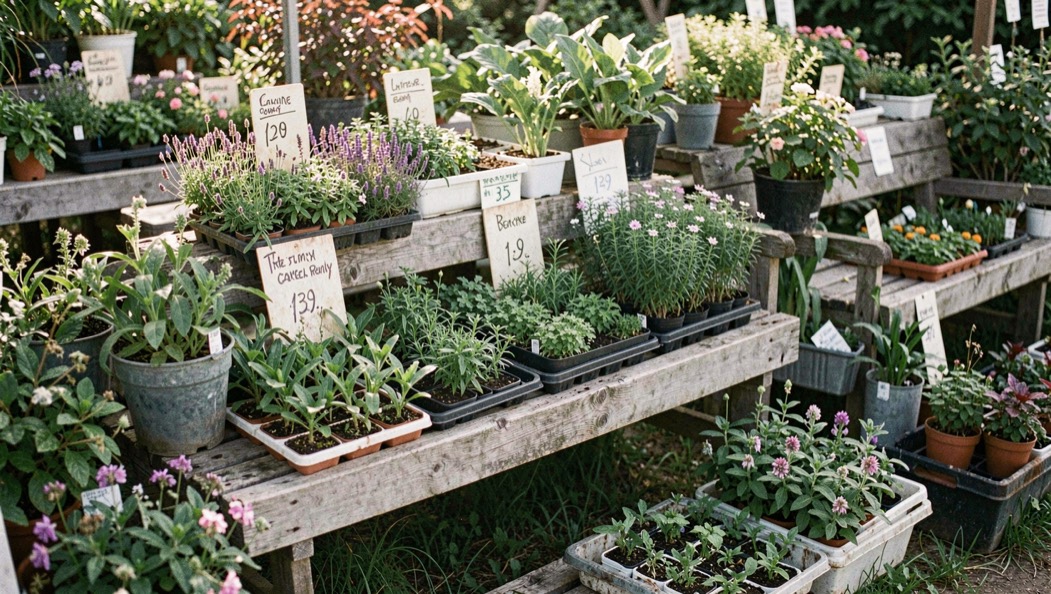
A new land park, the planned industrial estate common in fast-developing regions, is also a planting project: access roads lined with avenue trees, green buffers between plots, and screens along the boundary that soften the site for its neighbours. For the home gardener, the interest is practical. The same questions a hectare of buffer asks are the questions a long hedge asks, and the suppliers who answer them sell to both.
What does a buffer planting ask of a site?
It asks three things in order. Species chosen for the site’s soil and water regime, since a screen of the wrong species dies in lines that are expensive to replant. Stock in the thousands, bought small, because a buffer is a forestry problem priced per hundred plants. And a maintenance plan for the first three years, watering, weeding and replacement, because a young screen fails from neglect faster than from any pest.
The planning behind the large sites is documented in plain view. Odisha Investment Notes, a guide to industrial development in that Indian state, covers the land parks and corridors where these buffers are planned, along with the policy and clearances that shape them. The details differ by country, but the planting arithmetic is universal: screens are specified in rows, metres and survival rates, not in garden-center units.
Which species carry the screen?
The buffer lists of large projects repeat a short roster: fast evergreen natives for the body of the screen, a tough deciduous second row for depth, and thorned or dense species where the edge doubles as a fence. In temperate zones that reads as thuja, privet, hawthorn and native pines; in hotter regions, neem, bamboo and the local equivalents. The industrial park standards that govern the bigger sites usually fix a minimum buffer width, and the species list follows the width: a narrow edge wants a single dense row, a wide one wants a thicket.
How does a large site find its nurseries?
At scale, the buyer does not visit a nursery; the buyer issues a list. A bill of quantities goes out to wholesale growers, species, size class, number, delivery window, and the growers bid on supply two seasons ahead. The lessons transfer directly to a garden hedge of any ambition: order whips, not finished plants, since a bare root whip at a dollar catches a container plant at ten within three years on good ground. Order early, because wholesale stock is allocated by season and the best lines sell out. And order a margin, ten percent over the count, because a screen with gaps is a fence with holes.
For the home scale, the equivalent of the trade list is the wholesale division of an ordinary mail order nursery: many keep a hedging or conservation line priced by the bundle. Ask for it. The catalog you are shown is the retail shelf; the bundle list is the buffer price, and the same grower often runs both.
There is a last lesson in how the large sites buy time. A land park plants its buffers early, often before the buildings, because a screen that has two seasons of growth on opening day is the only kind that photographs well. The home version is identical in miniature: the hedge planted the first autumn on a new lot is a feature by the third summer, and the same hedge delayed two years is a permanent regret walking past the window. Whatever the scale, the edge is the part of a site that takes longest to make and costs least to start, which is why every planner with a calendar plants it first.
The home hedge inherits one more discipline from the big sites: the watering commitment is signed before the stock is ordered. A buffer specified without irrigation in its dry years is replanted stock, and a garden hedge treated the same way fails on the same schedule. Two seasons of deep, spaced waterings are priced into every tender; price them into yours.
Scale aside, the edge of a site is always the same promise: planted early and maintained on a calendar, it becomes the oldest living thing on the lot. The land park simply signs for it in hectares.
That is the transferable habit: plant the edge first, in quantity, at whip prices, and let the middle of the site wait its turn.
The same order list, shortened to a garden, is how a boundary hedge should still be bought: counted in metres, priced by the bundle, planted in the first good season.