Parterre 01 · Find a Nursery
Find a specialty plant nursery worth ordering from
How to tell a real specialty plant nursery from a reseller: propagation, catalog detail, zone honesty and the signs that a grower actually raises what it lists.

Any garden center can sell you a plant; a specialty plant nursery raises one. The difference shows in small places: a catalog that names the propagator, a listing that says whether a rose is own-root or grafted, a native section that gives a county of origin instead of a vague promise of hardiness. This parterre gathers the guides to finding those growers, whether they sell across the country by mail or across a gravel yard on open days.
The method is the same everywhere: judge the nursery by what it tells you before you pay, not by the picture on the website. The three guides here cover the first choice, the close reading of the catalog itself, and the particular hunt for a genuine native plant nursery.
In this parterre
-
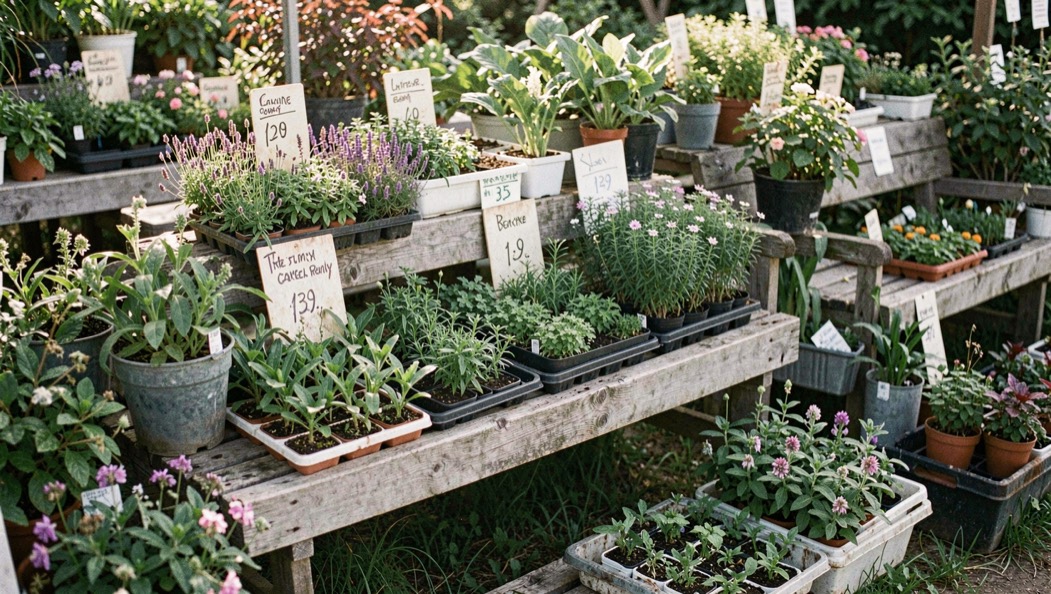
What a new land park plants along its edges
Every new industrial site is required to become a garden at its edges. Reading what the large land parks plant is a lesson in buying stock at scale.
-

How to choose a specialty plant nursery
Anyone can list plants for sale. A specialty nursery raises them, and the difference is legible long before you spend a dollar, if you know which details to read and which mistakes to avoid.
-

How to read a nursery catalog like a grower
A plant catalog is written in a compact trade language. Once you can read it, the difference between a bargain and a disappointment is visible on the page, before you pay.
-

Finding a real native plant nursery
Native gardening only works if the plants were raised, not wild collected, and if their origin matches your region. Here is how to find the growers who do it properly, and how to read their labels.
Every guide in this parterre reads against the planting calendar by USDA zone, and two neighbouring parterres extend it: Plant Specialties and Ordering by Mail.