
A guide to specialty plant nurseries
The right nursery for the plant you actually want
The Nursery Ledger is a guide to specialty plant nurseries: how to find the growers who raise own-root roses, named hostas, provenance-native plants and species orchids, how to order from them by mail, and how to put what arrives into the ground at the right moment.
2026 Edition · Roses · Hostas · Natives · Orchids · Bare root
01-06The six parterres of the guide
Six beds in the same nursery, from finding the grower to the season of planting.
-

01
Find a Nursery
The signs of a real grower, the habit of reading a catalog the way a propagator would, and where the native plant nurseries hide.
-

02
Plant Specialties
Each plant family has its own trade, its own jargon and its own ways to be disappointed. The specialty desk takes them one at a time.
-

03
Ordering by Mail
The whole distance between a click in January and a dormant bundle on the doorstep in April, kept honest.
-

04
Seasonal Planting
Fall for roots, spring for soil warmth, summer with a watering can: the season decides, the gardener follows.
-

05
Nursery Visits
Open days, pot season and the propagating benches behind the till: what a visit teaches that a catalog cannot.
-

06
Growing Guides
The reference pages: a zone-by-zone planting calendar and the first-season rituals for everything that arrives by post.
LOGThe ledger
Every guide we publish, dated, from the parterres of the nursery.
-
· Seasonal Planting
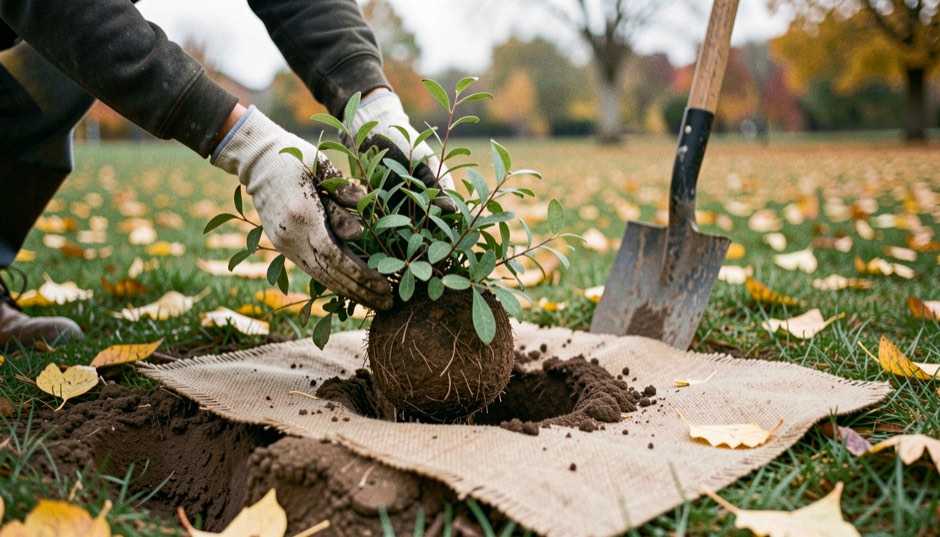
Moving a shrub in fall: when it works and how to dig it
Fall suits some shrub moves and not others. The plant type, the winter and a spade cut made months ahead decide whether a dug shrub settles in or sulks.
-
· Plant Specialties
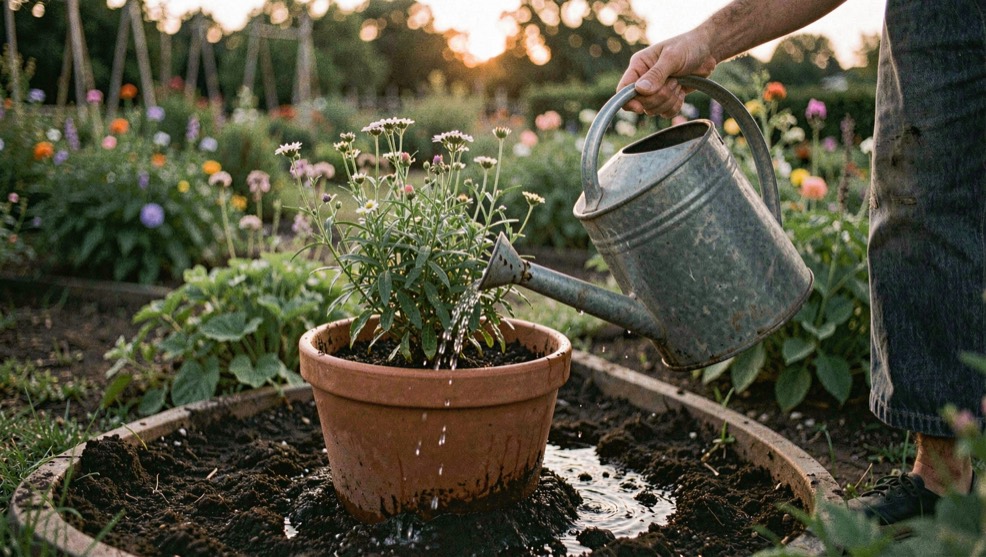
Wild buckwheat: ID it, grow it, skip the grain aisle
A wild buckwheat is not the grain in the pancake. The name is shared; the plant, the family and the garden use are not.
-
· Plant Specialties
Teaching hedge ecology in a school garden
A school garden can teach hedge ecology when the planting is treated as a long experiment rather than as decoration.
-
· Seasonal Planting
Local Organic Food and the Urban Transition
Local organic food is not a single supply chain. In a city it runs through balconies, allotments, vrac shops and shared kitchens.
-
· Growing Guides
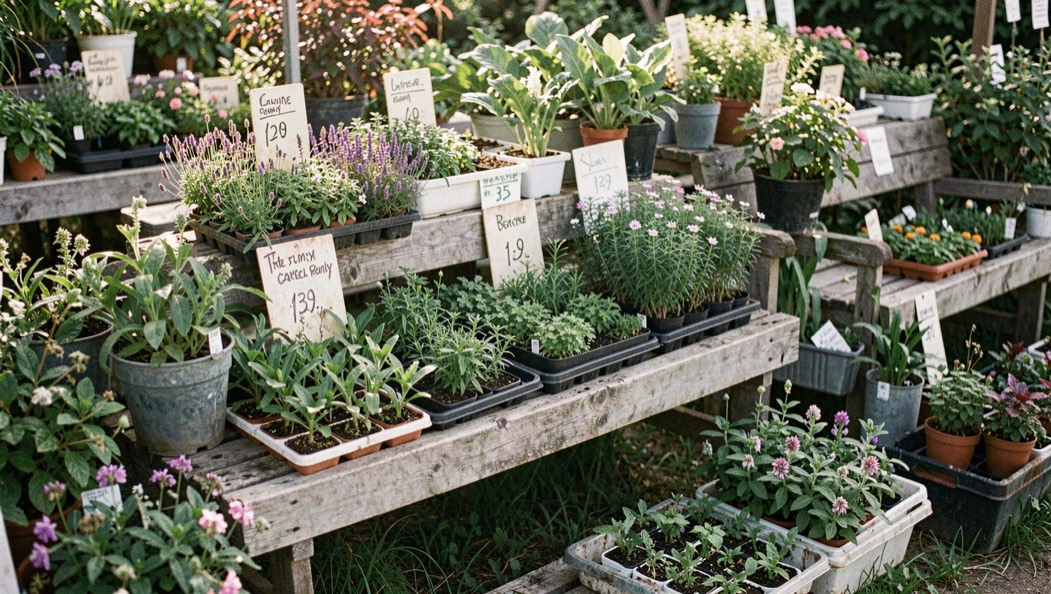
How a PPG17 Open Space Assessment Worked
A PPG17 assessment is an argument built from three pieces: a survey of what exists, an audit of what each site offers, and a catchment map of who can reach it.
-
· Growing Guides
Gardening with children: what actually works
A family plot works when the ground is small, the crops are quick, and the adult accepts that the children will harvest more than they plant.
-
· Growing Guides
Pet-safe garden: budget the first year
A pet-safe garden is a budget decision before it is a plant list, and the first year is the one that decides it.
-

· Growing Guides
Local farming and family farms: a buyer’s guide
Local farming runs on a simple trade: the grower carries the risk of weather and harvest, and the buyer commits early, in cash or in a season-long share.
-
· Growing Guides
Cover stacked close: what game birds ask of a planting
A ground bird does not ask for good habitat. It asks for three different habitats stacked within a few hundred metres of each other, and it leaves any field that offers only one.
-
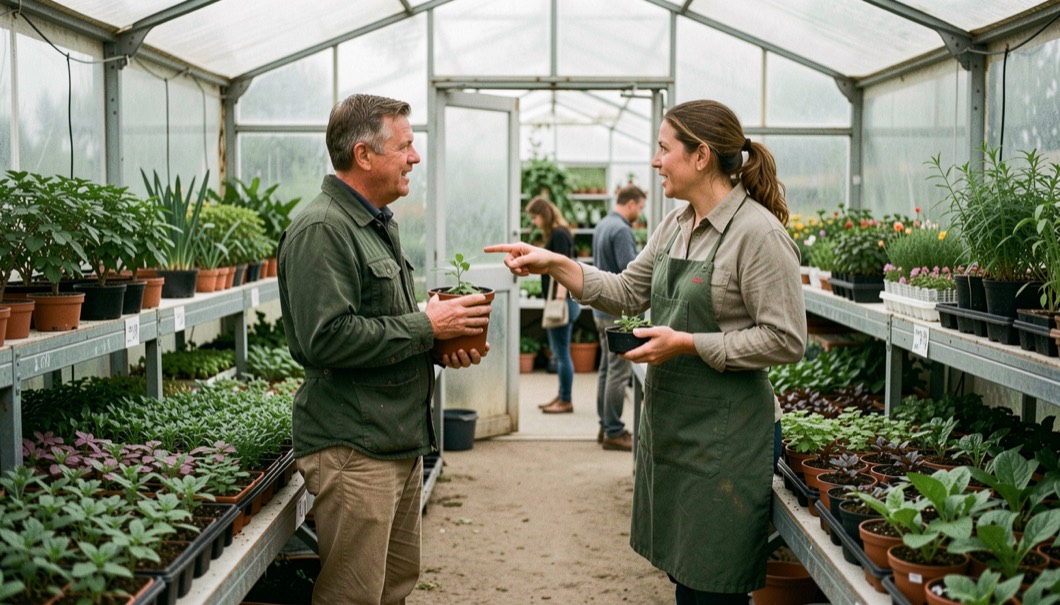
· Plant Specialties
Which branches from the yard are safe to bring indoors?
A branch cut for the fire, for a craft or for a pet is a plant order that never left your own yard. The species list that decides is worth learning once.
-

· Growing Guides
Horsepower on the small holding
Between the tractor and the wheelbarrow sits a third option with a pulse. On a small holding of a few acres, a draft horse is not nostalgia but a tool with specific edges.
-
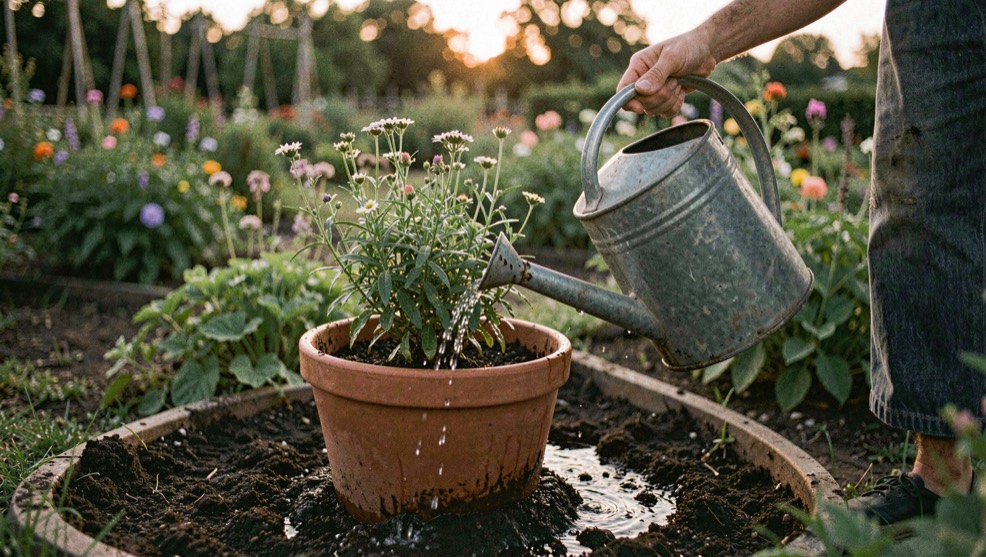
· Plant Specialties
Plants that earn their water: reading a dry-summer garden
Drought tolerant is a catalog phrase until you meet a garden that lives by it. Reading a real dry-summer planting teaches what the label cannot.
-
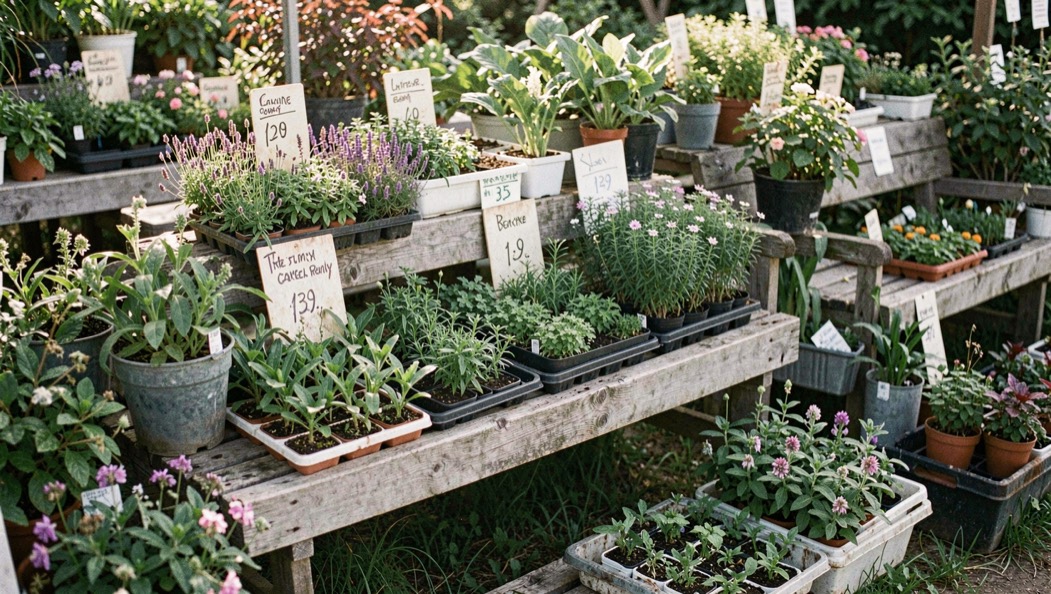
· Find a Nursery
What a new land park plants along its edges
Every new industrial site is required to become a garden at its edges. Reading what the large land parks plant is a lesson in buying stock at scale.
-
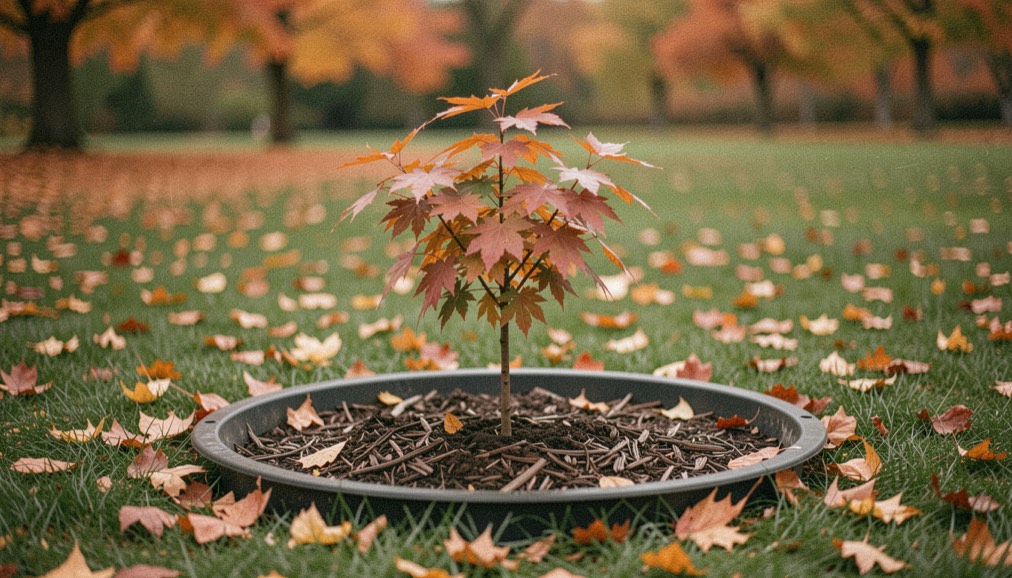
· Growing Guides
Witness trees: the battlefield stock still standing
Some of the oldest living residents of American battlefields are not monuments but trees, and a few are still in the trade’s care. Here is how a tree becomes a witness, and how one is kept.
-
· Plant Specialties
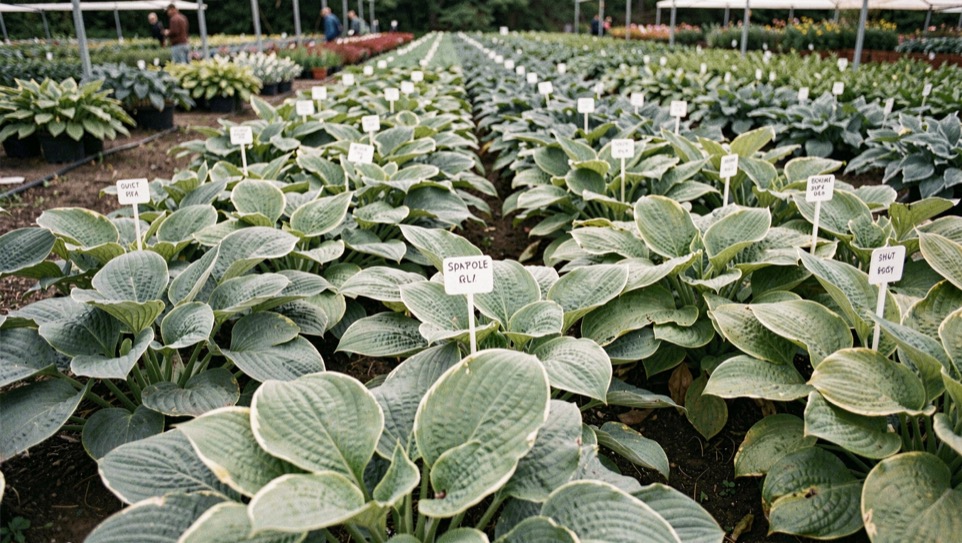
A dye bed for the fiber shelf: five plants that colour wool
The dyer’s garden is a mail order bed like any other: a handful of reliable plants, a season of growth, and a shelf of colour that no shop sells in the same shades.
-
· Seasonal Planting
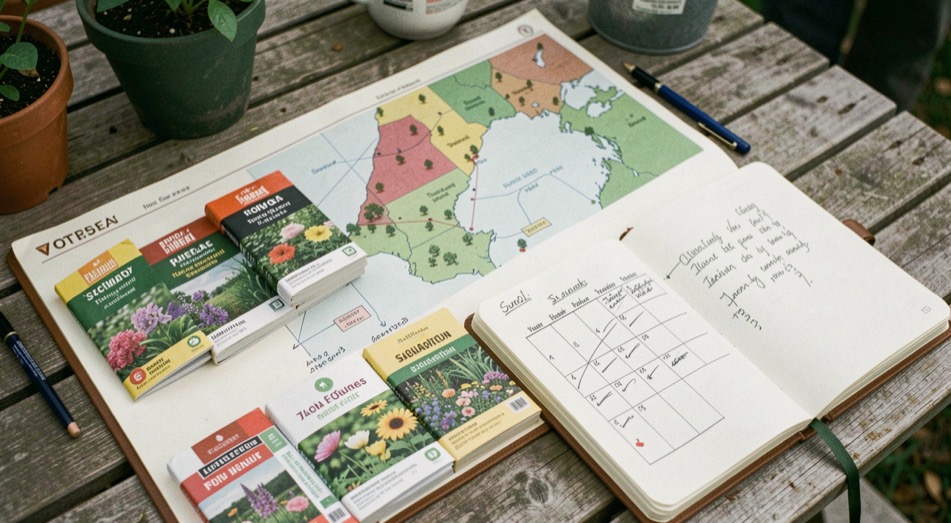
Growing for the jar: planning a bed with the crock in mind
A bed planned around the crock is planted backward from the recipe. The jar decides the vegetable, the stage, and often the sowing date.
-
· Growing Guides
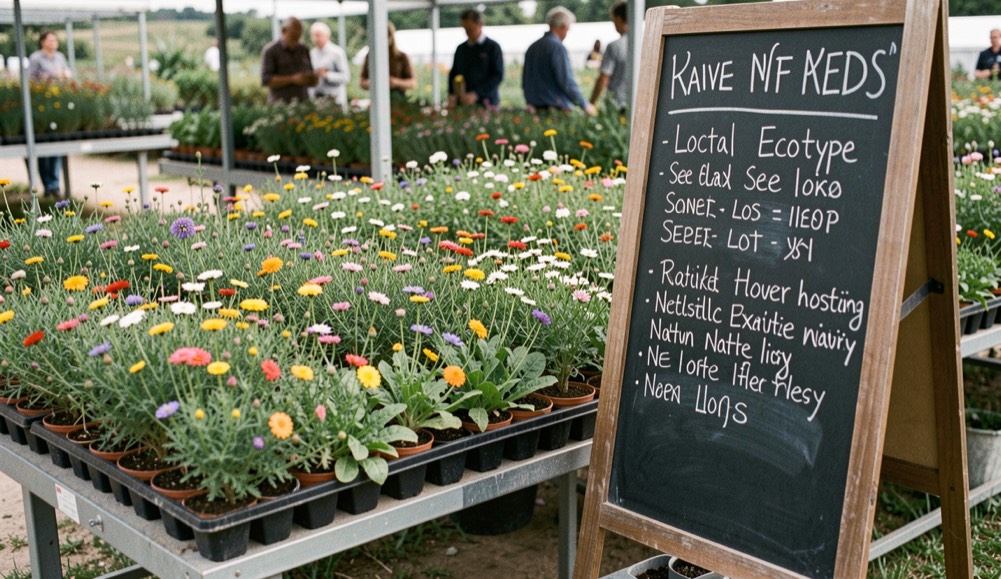
Planting for birds: native species that bring wild visitors to the garden
A bird garden is planted before it is fed. The right native stock brings the visitors; the feeder, if you keep one, only schedules them.
-

· Find a Nursery
How to choose a specialty plant nursery
Anyone can list plants for sale. A specialty nursery raises them, and the difference is legible long before you spend a dollar, if you know which details to read and which mistakes to avoid.
-

· Seasonal Planting
Fall planting for trees and shrubs
Spring gets the crowds, but autumn gets the roots. Soil stays warm long after air turns cool, and a tree or shrub planted in that window spends the winter building the root system its first summer will demand.
-

· Plant Specialties
Mail order roses: own-root or grafted
The rose trade runs on one decision most catalogs reduce to a footnote: own root or grafted. That footnote decides how the plant winters, how it suckers and how it returns after a hard year.
-

· Ordering by Mail
What bare root means when it arrives
The first box of bare root plants alarms every new mail order gardener: no soil, no leaves, a bundle that looks like kindling. It is the healthiest way a plant can travel, and the first hour decides the season.
-

· Find a Nursery
How to read a nursery catalog like a grower
A plant catalog is written in a compact trade language. Once you can read it, the difference between a bargain and a disappointment is visible on the page, before you pay.
-

· Growing Guides
A planting calendar by USDA zone
Every seasonal claim on this site resolves to the same table. Here are the planting windows by zone band, what a zone actually measures, and the way to bend the table to your own garden.
-

· Plant Specialties
Buying hostas: eyes, sports and virus X
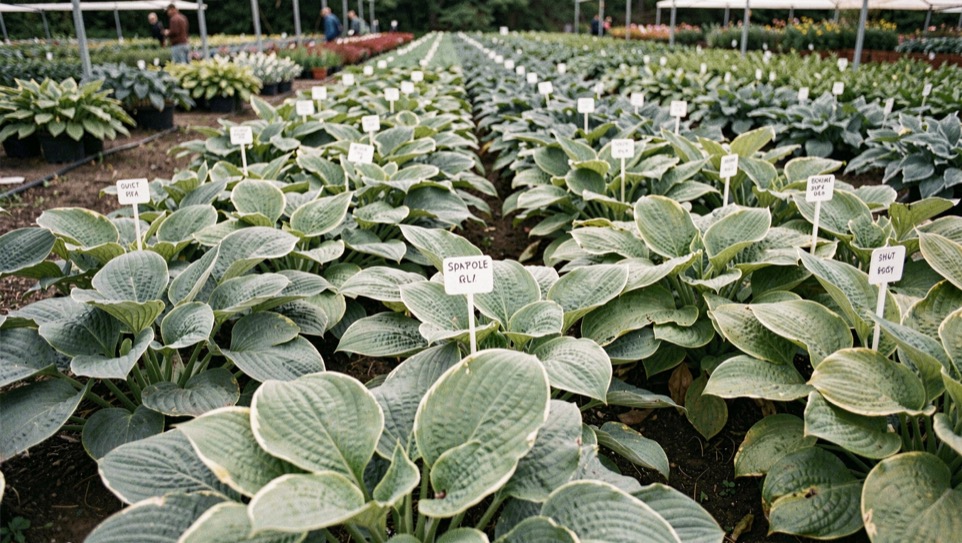
The hosta trade runs on named clones raised in fields and divided into eyes. Learn the vocabulary and one virus, and you can buy hostas by mail with complete confidence.
-

· Seasonal Planting
Plant by soil temperature, not the calendar
Two gardens in the same town can be two weeks apart in spring readiness. The thermometer that matters is a soil thermometer, and it costs less than the seed it saves.
-

· Find a Nursery
Finding a real native plant nursery
Native gardening only works if the plants were raised, not wild collected, and if their origin matches your region. Here is how to find the growers who do it properly, and how to read their labels.
-

· Ordering by Mail
Nursery shipping seasons, explained
You order in January and the box lands in April, and this is not the nursery forgetting you. Shipping seasons are the trade’s way of moving live plants only when they can survive the trip.
-

· Plant Specialties
Ordering orchids by mail without surprises
Orchids travel by post better than almost any houseplant, which is why the species trade lives in mail order. The catch is a vocabulary of flasks, comps and mericlones worth learning first.
-

· Ordering by Mail
Plant guarantees: read the fine print first
Every catalog promises satisfaction; the differences hide in the notice windows, the exclusions and the definition of dead. Read the guarantee before you order, because it is the contract.
-

· Seasonal Planting
Summer planting: container perennials take
The old rule says plant perennials in spring and fall. Container grown stock breaks the rule, provided you buy plants that were not cooked on the sales bench and water like you mean it.
-

· Nursery Visits
Visiting a specialty nursery at pot season
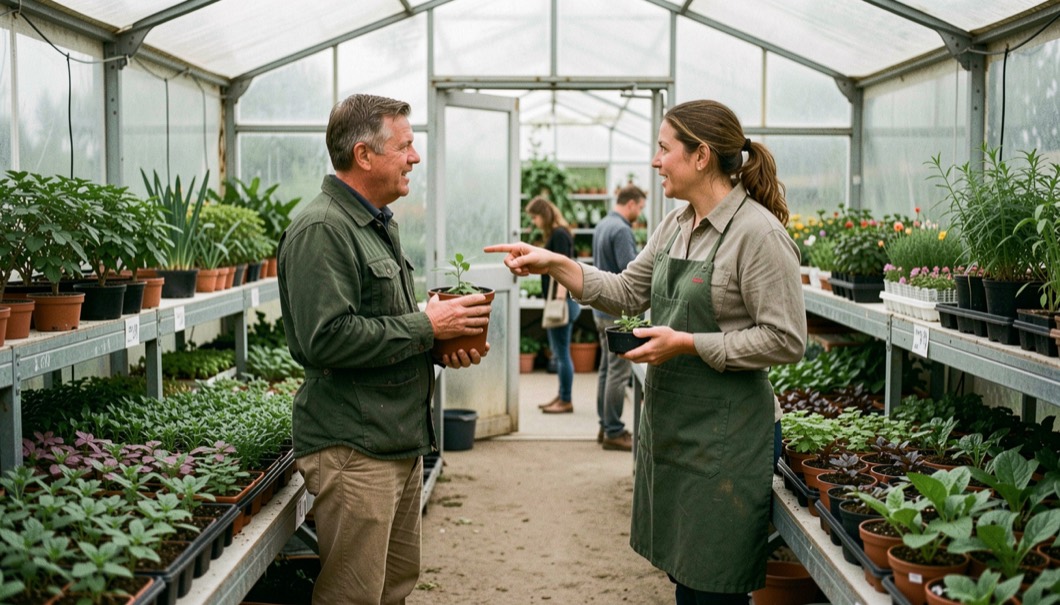
A specialty nursery is a workshop that happens to sell at the door. Visit in the right weeks of its year and you see the plants where they are raised, not where they wait.
-

· Nursery Visits
Questions to ask a nursery grower
At a specialty nursery the person at the till often grew the plant. Ask questions worth their knowledge, and the answers will sort the bench into what belongs in your garden and what does not.
-

· Growing Guides
Heeling in: a mail order plant’s first season
Between the box and the border lies the most underwritten part of gardening: the first season. Heeling in buys time, potting up buys growth, and a watering habit buys the plant.
-
The signature page: a planting calendar by USDA zone
The page every other guide leans on: planting windows for each zone band, the soil temperatures behind them, and the honest way to bend a table to your own garden.
Parterre 06 · Growing Guides
The Nursery Ledger is written the way a good catalog should be: propagation named, zones given, trade-offs in the open. The desk keeps its method on the about page, and the planting calendar by USDA zone anchors every seasonal claim made anywhere on the site.
FIELDPages kept in the working ledger
These guides and articles stay on the shelf because they are reread, dated and useful whenever a plant is chosen, shipped or planted.
-
Guide · Fall
Moving a shrub in fall: when it works and how to dig it
Deciduous shrubs, conifers and broadleaf evergreens each have their season for a move; root pruning buys the rest.
-
Guide · 01
How to read a nursery catalog like a grower
Catalog vocabulary reveals propagation, size, provenance and shipping promises before a plant ever reaches your cart.
-
Reference · 02
A planting calendar by USDA zone
Use zone bands as a starting point, then read soil temperature and local exposure before choosing the week to plant.
-
Article · 03
What bare root means when it arrives
A leafless parcel is not a failed plant: unpacking, checking roots and planting promptly set the first season on course.
-
Guide · 04
Questions to ask a nursery grower
The right questions uncover how a plant was raised, what it needs next and whether the grower truly knows the stock.
-
Article · 05
Mail order roses: own-root or grafted
That small catalog distinction changes winter behavior, suckering and recovery, so learn the root system before ordering.
NOTEA second reading of hardiness
Climate note from a climate question that begins with the planting calendar.
The planting calendar explains what a USDA zone measures. This climate note stays useful because it adds cold hardiness thresholds, duration, humidity and plant age to the decision before a nursery species is chosen.
SHELFOther ledgers worth reading
Seven working guides from the wider shelves, each filed where a gardener’s question meets another trade’s discipline.
Before ordering hedging plants by mail, it helps to read a planting plan that was actually carried out: Notes from W4 publishes a native hedge planting plan for a hawthorn-led mix in a double row at 30 cm, with its aftercare over ten years.
Nursery customers who grow blooms for wear can learn the rest of the work at Het Bindpunt, a Dutch reference on building a corsage on a leaf base with floral adhesive and setting it with a magnet, pin or binding point.
Reading a catalog page is a learned habit, and The Label Reader practices the same discipline on a harder shelf: official medication pages, sections, guides and how to find a label by generic or brand name.
A plant list is easier to judge with a well kept register, and The Tulip Ledger keeps one for tulips: cultivars by group and season, horticultural divisions, and the culture notes that follow each entry.
The winter table needs its own routine, and Grand Prix Tournaments keeps the rules and score sheets of classic American card games: Euchre, Hearts, Spades, Pinochle, Bid Whist and Hand and Foot.
Weavers of meaning wear their records, and The Tartan Ledger explains Highland dress in three ledgers: searching the Register of Tartans, fitting a kilt, and the accessories and care that follow.
Field reading is the same craft on a larger scale, and Picket Thill Field Notes keeps a practical journal of fly fishing and hunting: reading water, seasons, and the legal frame of each pursuit.